From sediment buildup to faulty heating elements, discover the most common water heater problems in Caloundra homes, what causes them, and when to call a licensed plumber.
What Is the Most Common Hot Water System Problem? A Caloundra Plumber Explains
If you have ever stepped into the shower expecting warmth and been greeted by a cold blast of water, you already know how disruptive a failing hot water system can be. It is one of those household problems that feels minor right up until the moment it becomes urgent. For homeowners across Caloundra, Kings Beach, Moffat Beach, Dicky Beach, Pelican Waters, Battery Hill, Golden Beach, Little Mountain, Bells Creek, Meridan Plains, Currimundi, Caloundra West, Baringa, Aura and Nirimba, water heater issues are among the most common reasons people call a licensed plumber.
This guide breaks down the most frequent water heater problems, what causes them, what they cost to fix in 2026, and when it is time to call in the professionals.
The Single Most Common Water Heater Problem
Sediment Buildup Inside the Tank
Ask any qualified hot water system plumber what they see most often, and the answer is almost always the same: sediment buildup. Over time, minerals like calcium and magnesium from hard water settle at the bottom of the storage tank. As the sediment layer thickens, the system has to work harder to heat water, which drives up energy bills, reduces hot water pressure, and eventually causes premature failure of the heating element.
Signs you are dealing with sediment buildup include rumbling or popping noises coming from the unit, longer wait times for hot water, and water that looks slightly discoloured from the tap. In coastal areas like Golden Beach and Currimundi, where mineral content in the water supply can vary, this is an especially common issue in older tank systems.
Regular flushing of the tank, ideally once a year, is the most effective prevention. If you are not sure when your system was last serviced, it is worth having a licensed plumber inspect it before the problem escalates.
Other Frequent Hot Water System Failures
Faulty or Burnt Out Heating Elements
Electric hot water systems rely on one or two heating elements to warm the water inside the tank. These elements are under constant thermal stress and eventually burn out. When the lower element fails, you typically get a short burst of warm water followed by cold. This is exactly why so many homeowners in Battery Hill and Pelican Waters find themselves asking why they are only getting five minutes of hot water.
Replacing a heating element is a straightforward repair for a certified plumbing technician and is far more cost effective than replacing the entire unit. Most element replacements in Queensland in 2026 cost between $150 and $350 depending on the system type and access.
Failing Thermostat
A faulty thermostat is another leading cause of inconsistent water temperature. If your hot water runs scalding hot one day and barely warm the next, the thermostat is likely the culprit. In homes with young children or elderly residents, a thermostat fault is also a safety issue. Queensland regulations require that hot water be stored at a minimum of 60 degrees Celsius to prevent legionella bacteria growth, while water delivered to taps and showers must be kept at a safe temperature through a thermostatic mixing valve, commonly called a TMV.
If you are in a property around Aura, Baringa or Nirimba where newer builds are common, your home likely already has a TMV installed. Still, annual TMV testing is recommended and in some cases legally required for certain property types.
Pressure Relief Valve Issues
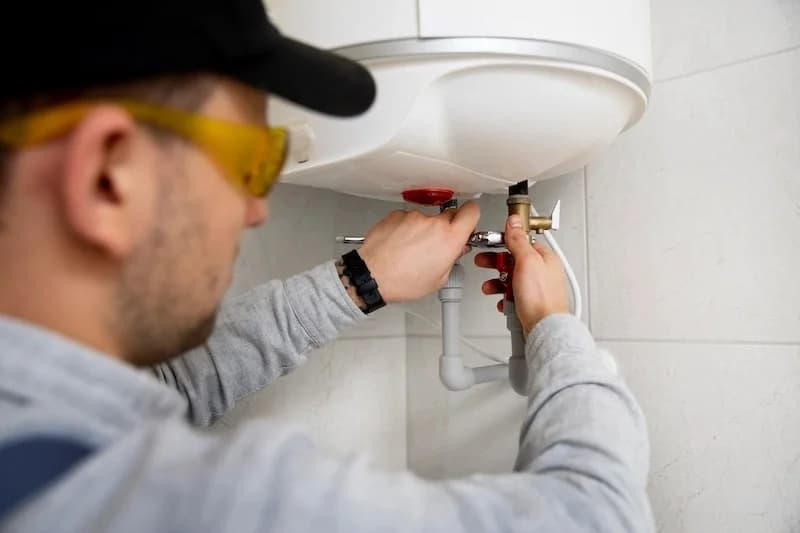
The temperature and pressure relief valve, or TPR valve, is a critical safety component. It releases pressure if the tank overheats or over pressurises. A constantly dripping TPR valve is often mistaken for a minor leak, but it can signal a serious internal pressure problem. Never ignore this one.
Anode Rod Corrosion
The anode rod is a sacrificial metal rod inside the tank that prevents the internal lining from corroding. When it is fully depleted, the tank lining begins to rust. At that point you will often see rust coloured water coming from your hot water taps, and the tank is usually not far from complete failure. Replacing the anode rod every three to five years significantly extends the life of the system.
Where Do Most Water Heaters Actually Fail?
The tank itself is the most common failure point, specifically the internal lining once the anode rod is exhausted. After that, the heating element and thermostat account for the majority of call outs that hot water repair specialists attend. External connections, including inlet and outlet valves, pressure limiting valves and the cold water inlet strainer, are also frequent weak points that are easy to overlook during routine maintenance.
For homeowners across Moffat Beach, Dicky Beach and Caloundra West, it is worth noting that external hot water systems exposed to the elements tend to experience accelerated corrosion on fittings and connections. An annual inspection by experienced plumbers catches these issues early.
2026 Hot Water Replacement Costs in Queensland
Replacing a hot water system in Queensland in 2026 typically costs between $900 and $3,500 depending on the system type, size, and installation complexity. Here is a general guide:
- Electric storage systems: $900 to $1,800 fully installed
- Gas hot water systems (natural gas and LPG): $1,200 to $2,500
- Solar hot water systems with gas or electric boost: $2,500 to $4,500
- Heat pump systems: $1,800 to $3,500
Speaking of rebates, the Queensland Government has offered hot water rebate programs for eligible households switching from electric resistance systems to energy efficient alternatives. Eligibility criteria and rebate values do change, so it is worth confirming current figures with a licensed installer or checking the Queensland Government energy website.
Note that a licensed plumber handles the installation and plumbing connections, while the electrical connection for an electric system requires a licensed electrician. For gas hot water systems, a qualified gas fitter must complete the connection and compliance testing.
Signs Your Hot Water Heater Is Going Bad
You do not have to wait for a complete breakdown. There are clear warning signs that your system is nearing the end of its life. Watch for the following:
- Water pooling around the base of the unit, which indicates a tank leak
- Rust or discoloration in your hot water
- Loud knocking or rumbling sounds from the tank
- Fluctuating water temperatures that cannot be explained by normal demand patterns
- System is over 10 to 12 years old and requiring repeated repairs
At Pumiflow, we provide same day hot water service across Caloundra and all surrounding suburbs so you are never left without hot water longer than necessary.
Frequently Asked Questions
What is the average lifespan of a hot water system?
Electric and gas storage systems last 8–12 years. Heat pump and solar systems can last 15+ years. Regular servicing, anode rod replacement, and a working pressure relief valve are the best ways to extend system life.
What are the rules for hot water systems in Queensland?
In Queensland, a licensed plumber must install your hot water system, and a licensed electrician handles any electrical connections. Water must be stored at 60°C or above and delivered safely through a compliant TMV. All new or replacement systems must meet current Queensland energy efficiency standards.
Why am I only getting five minutes of hot water?
Most likely, your lower heating element has failed. Only the top of the tank stays hot, so you run out of hot water fast. A licensed plumber can replace the element in a single visit.
How much does it cost to replace a hot water system in Queensland?
Expect to pay $900–$3,500 in 2026, depending on the system type and size. If you are upgrading to a heat pump or solar system, government rebates may significantly cut your out-of-pocket cost.
Why do plumbers not recommend tankless water heaters?
Continuous flow (tankless) heaters can struggle when multiple taps run at once, causing temperature drops. They also need a minimum flow rate to switch on and can deliver sudden cold bursts. They are energy efficient but are not ideal for every home ask a qualified plumber what suits your household.
What are some signs your hot water heater is going bad?
Watch out for rusty water, leaks at the base, banging noises, inconsistent temperatures, or a sudden rise in energy bills. If your system is near 10 years old and showing any of these signs, get it inspected by a licensed hot water specialist.
Where do most water heaters fail?
The internal tank lining fails most often, especially once the anode rod wears out. In electric systems, heating elements and thermostats are common culprits. Gas systems more often have issues with the burner or gas valve. The pressure relief valve and external fittings are also frequent failure points easily missed without a professional check.
Need a Hot Water Plumber in Caloundra or Nearby Suburbs?
Whether you are dealing with a complete breakdown or just noticing the early warning signs of a failing system, the team at Pumiflow is available for same day hot water service and 24/7 emergency hot water repairs across Caloundra, Kings Beach, Moffat Beach, Dicky Beach, Currimundi, Battery Hill, Pelican Waters, Little Mountain, Bells Creek, Golden Beach, Caloundra West, Meridan Plains, Baringa, Aura and Nirimba.
Our licensed plumbers provide upfront, transparent pricing with no hidden fees so you always know what to expect before any work begins. Call Pumiflow today for an honest assessment and fast, reliable hot water repairs or replacement across the Caloundra region.

Jake Morrison
Master Plumber & Founder
Jake has been servicing Caloundra homes and businesses for over 15 years. QBCC licensed Master Plumber with a passion for delivering quality work and honest advice to every customer.